BABY ALPACA FIBER

The rarest softness nature ever created.

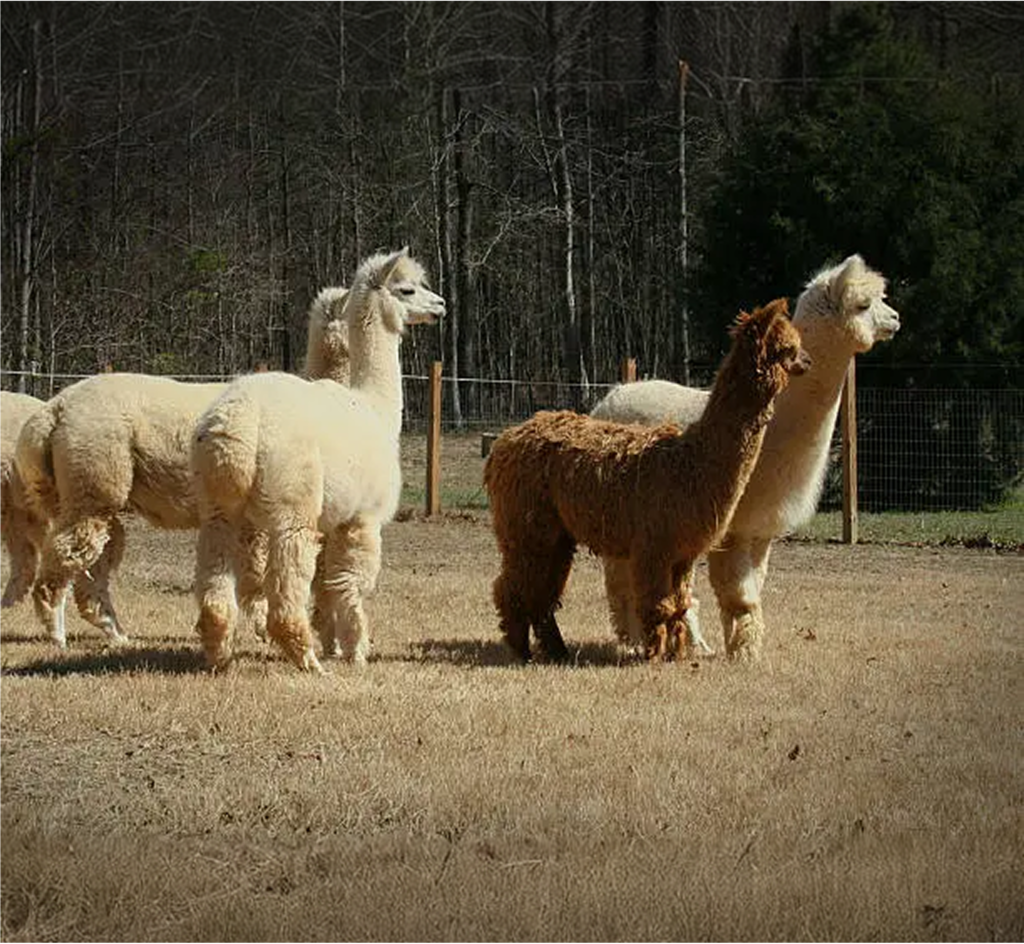
Living between 3,000 and 4,500 meters above sea level in the Andes Cordilleras, alpacas possess an extraordinary capacity to endure climatic variations of up to 30 degrees between day and night.

HERITAGE

HERITAGE

The Fiber of the Gods

Bred by the ancient Incas and revered as the animal of the gods, alpaca fiber was not merely a textile — it was a symbol of divine favor and earthly power. Reserved exclusively for emperors and nobility, this extraordinary fiber was woven into garments that signified sovereignty itself. The Incas understood what modern science has since confirmed.

“A legacy of warmth, woven through centuries of Andean heritage.”

TYPES OF ALPACA

TYPES OF ALPACA

Two Breeds , One Excellence

Each alpaca breed offers distinct characteristics, yet both produce fiber of unparalleled quality.

Suri

Huacaya

The Suri has an atypical appearance as their fur hangs down to form long dreadlocks. Their wool is shinier, wavier and above all, rarer than the Huacaya’s. It is an exceptionally rare breed with lustrous fiber hanging in elegant pencil-like locks, prized for its natural sheen and silk-like drape.
Texture : Silky lustrous locks
Characteristic : Dreadlock structure
Properties : Exceptional drape

The Huacaya’s fur has the appearance of a voluminous-looking fiber. It is the most prevalent breed, distinguished by its voluminous, crimped fleece that creates a cloud-like appearance. The fiber’s natural crimp provides exceptional warmth
Texture :Fluffy & voluminous
Characteristic : Natural crimp structure
Properties : Superior insulation

Key Market Fact:

Today, 93% of alpaca fiber on the market is Huacaya because they represent 98% of the worldwide alpaca population, making the Suri a true luxury rarity.

DEFINITION

DEFINITION

What Is Baby Alpaca?

A common misconception: “baby alpaca” does not refer to the animal’s age. Rather, it denotes the exceptional fineness of the fiber itself.

Measuring between 16 and 25 microns in diameter, baby alpaca fiber is harvested from the softest part of the animal — the delicate underside of the neck. This represents merely 10% of each shearing, making it extraordinarily precious.

"Among the finest natural fibers in the world."

16–25

MICRONS DIAMETER

10%

PER SHEARING

ANNUALLY

APOLLO 11 MISSION

APOLLO 11 MISSION

Why NASA Chose Alpaca Fiber

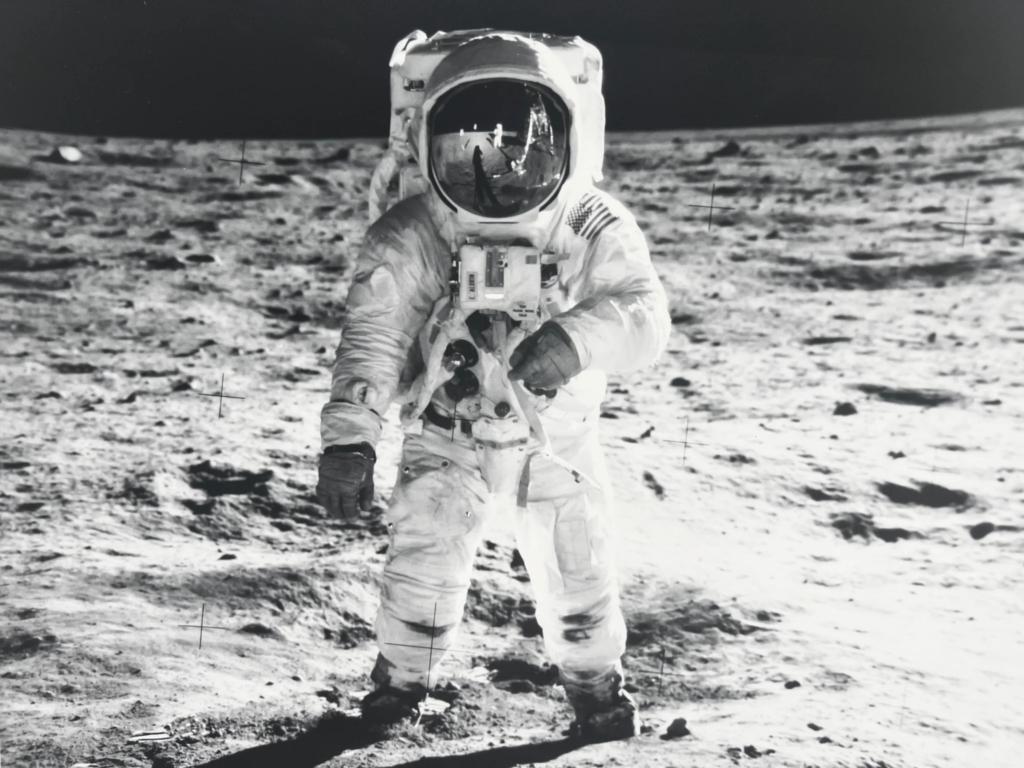
When NASA selected materials for the Apollo 11 mission, they turned to one of Earth’s oldest textiles. The choice was both practical and profound.

Alpaca fiber met every critical requirement: extraordinarily lightweight for payload efficiency, thermoregulating across extreme temperature variations, naturally flame-resistant, and gentle enough for prolonged skin contact.

What ancient Incas knew instinctively, modern aerospace engineering confirmed scientifically.

EXCELLENCE

EXCELLENCE

Exceptional Properties

Nature engineered perfection into every fiber

Thermoregulating

Adapts to temperature, warm yet breathable

No Pilling

Maintains pristine appearance

Lightweight

Superior insulation, minimal weight

Highly Durable

4x stronger than sheep's wool

Gentle Grazing

Soft padded feet prevent soil erosion

Chemical-Free Processing

No treatments needed, 22 natural colors

Hypoallergenic

Gentle on sensitive skin

Odor Resistant

Natural properties repel odors

Flame Resistant

Self-extinguishing properties

Elastic

Retains shape perfectly

Regenerative Feeding

Nibble grass tips, allowing natural regeneration

100% Biodegradable

Returns to earth with no synthetic residue

NATURAL SPECTRUM

natural spectrum

Nature's Palette

Twenty-two naturally occurring colors, from snow white to deepest charcoal

No dyes. No chemicals. Only nature’s artistry.

Cool Number
0

0

SYNTHETIC DYES

Nature perfected comfort long before we did.

For centuries, artisans have transformed this extraordinary fiber into garments of enduring beauty. Each piece tells a story of ancient heritage, sustainable practices, and uncompromising quality.

Note

For Fibre Care Visit